Stamped & Decorative Concrete
Get the high-end look of natural stone or pavers at a fraction of the cost with decorative concrete.
The Beauty of Decorative Concrete
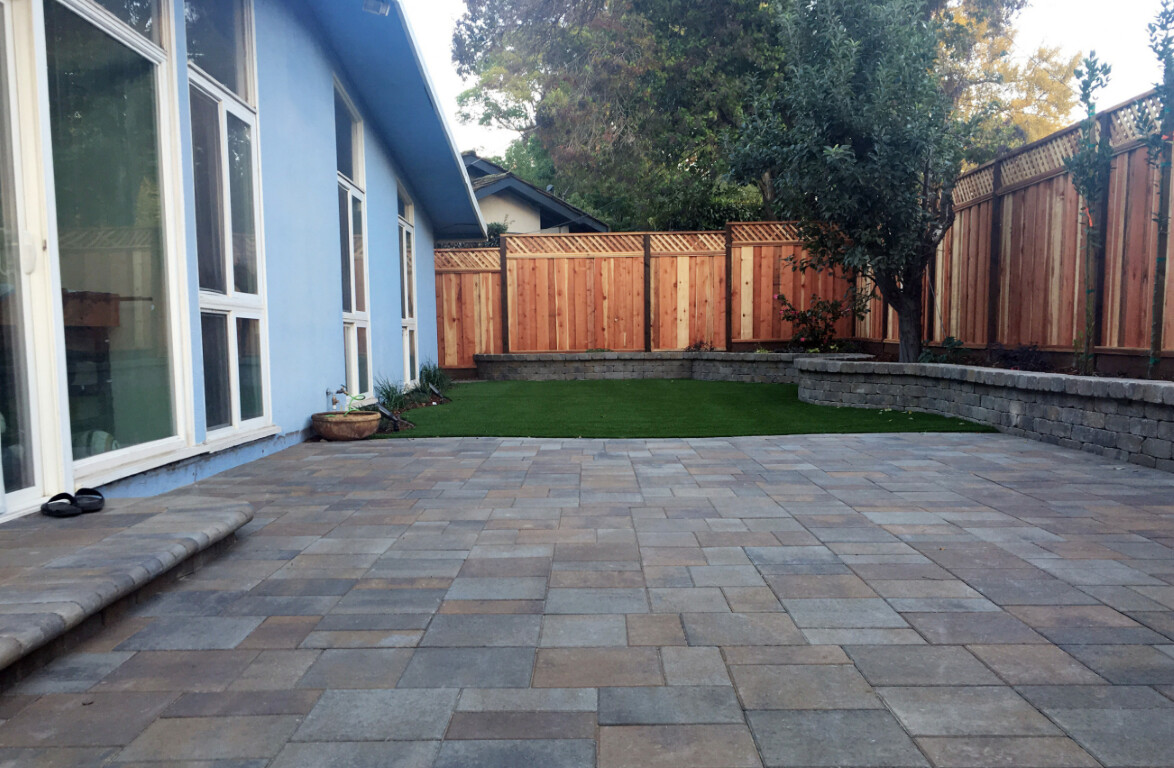
You love the look of natural flagstone, slate, or brick but not the price tag. Decorative concrete gives you that upscale appearance without the upscale cost. We press patterns into freshly poured concrete to create textures that mimic expensive materials. Add color and you get something that looks custom and high-end but costs significantly less than actual stone or pavers. Quality stamped concrete installation requires skilled craftsmanship to achieve realistic patterns and lasting results. Most people cannot tell the difference until they touch the surface.
Stamped concrete works on driveways, patios, walkways, pool decks, and interior floors. The process transforms plain gray concrete into something visually interesting that complements your home. Here at AnvilPoint in Cuyahoga Falls, we help homeowners create outdoor spaces that look expensive but fit realistic budgets. Decorative concrete combines beauty and durability in one cost-effective solution.
Why Choose Decorative Concrete
- •Costs 40 to 60 percent less than natural stone or quality pavers
- •Stays level and solid without shifting or settling like pavers
- •No weeds growing between joints or maintenance like real stone
- •Unlimited pattern and color combinations to match any style
- •Durable surface that handles traffic and weather for decades
Stamped Concrete Patterns and Textures
We offer dozens of stamping patterns that replicate the look of natural materials. Each pattern creates a different aesthetic, from rustic and natural to formal and elegant. Choose based on your home's style and personal preferences. We bring pattern samples to your property so you can see how different options look in your actual space and lighting conditions.
Popular Pattern Options
Ashlar slate mimics cut stone with rectangular shapes and natural edges. This pattern works great for patios and entryways, creating an upscale look. Random stone patterns replicate irregular flagstone with varied sizes and organic shapes. Perfect for casual outdoor spaces. Cobblestone creates the old-world charm of European streets. Brick patterns offer classic appeal in running bond or herringbone layouts. Wood plank stamps replicate the texture of weathered wood, ideal for rustic designs. Seamless textures like slate or sandstone provide subtle surface interest without defined pattern lines.
Adding Color and Depth
Plain gray stamped concrete looks artificial. Adding color makes it realistic. We use integral color mixed into the concrete for base tones. Then we apply color hardeners during finishing for surface hues. Finally, we use antiquing stains that settle into texture lines to create depth and variation. This layering technique produces natural-looking results with subtle color changes like real stone. Popular colors include earth tones like tan, brown, terracotta, and gray. We also offer bolder colors for modern designs.
Border and Accent Treatments
Borders add definition and visual interest. A different pattern or color around the perimeter frames your space nicely. Contrasting bands separate areas within larger patios. Decorative scoring creates geometric designs within stamped areas. You can combine stamped sections with smooth concrete, exposed aggregate, or other finishes. These custom touches make your project unique while adding relatively little cost. We help you design combinations that look intentional and professionally planned.
The Stamping Process
Creating quality stamped concrete requires skill, timing, and proper technique. The process happens fast once we start pouring. Our experienced crew coordinates every step to ensure consistent results. Mistakes show forever in finished concrete, so we focus on getting everything right the first time. Here is how the process unfolds from start to finish.
Site Preparation
Stamped concrete needs the same solid foundation as regular concrete. We excavate, grade, and compact a gravel base just like any other concrete project. Proper prep work prevents settling and cracking that would ruin the decorative surface. We set forms carefully because stamps replicate those edges. Everything must be level and square before we pour. This prep work takes most of the project time, but it determines long-term success.
Pouring and Initial Finishing
We pour concrete with integral color already mixed in. The crew spreads and screeds the concrete to proper thickness and grade. Initial floating smooths the surface and brings cream to the top. Then we apply color hardener while the concrete is still wet. This powder absorbs moisture and bonds to the surface, adding strength and color. Timing matters tremendously. Work too early and you damage the surface. Wait too long and stamps will not impress properly.
Stamping and Texturing
When the concrete reaches the right consistency, usually a few hours after pouring, we begin stamping. Crew members carefully place stamp mats in sequence, walking on previous stamps to press new ones. We use hand tools to detail edges and tight areas where mats will not fit. The process requires coordination and speed because we must finish before the concrete hardens. Once stamped, we cannot fix mistakes without breaking out the concrete and starting over.
Sealing and Protection
After the concrete cures for several weeks, we return to clean and seal the surface. Pressure washing removes any residue. Then we apply two coats of sealer that protects against stains, moisture, and UV fading. The sealer also enhances color depth and adds a slight sheen. We recommend resealing every 2 to 3 years to maintain protection and appearance. With proper maintenance, stamped concrete looks great for 20 to 30 years or more.