Retaining Walls & Concrete Masonry
Strong walls that hold back soil, create usable space, and add structure to your landscape.
Why Retaining Walls Matter
Sloped yards create challenges. Erosion washes away soil, making parts of your property unusable. Water runs downhill causing drainage problems. Mowing becomes dangerous on steep grades. Retaining walls solve these issues by holding soil in place and creating level areas where slopes existed before. They turn problematic terrain into functional outdoor space while preventing erosion damage.
Here in Cuyahoga Falls and throughout Summit County, many properties have significant elevation changes. AnvilPoint builds retaining walls that handle these challenges while enhancing property appearance and value. Properly engineered walls last decades without failing or requiring major repairs. Poor walls fail within years, causing expensive damage and safety hazards. We design and build walls that stand the test of time.
Benefits of Retaining Walls
- •Prevents soil erosion and protects your property from washouts
- •Creates flat, usable areas on sloped land for patios or gardens
- •Improves drainage and directs water away from structures
- •Adds architectural interest and defines outdoor spaces visually
- •Increases property value by maximizing usable yard space
Types of Retaining Wall Construction
Different wall types suit different situations. Height, soil conditions, drainage needs, and budget all affect which type works best. We evaluate your property and recommend solutions that handle the engineering requirements while fitting your aesthetic preferences. All walls need proper drainage behind them. Without it, water pressure builds up and eventually causes failure regardless of how well you build the wall itself.
Poured Concrete Walls
Poured concrete creates the strongest retaining walls. We excavate, build forms, place steel reinforcement, and pour concrete to create monolithic structures. These walls handle significant height and load. They work well when you need maximum strength or plan to build on top of the retained area. Concrete walls can be left natural gray, stamped with textures, stained for color, or faced with stone or brick veneer for upscale appearance.
Concrete Block Walls
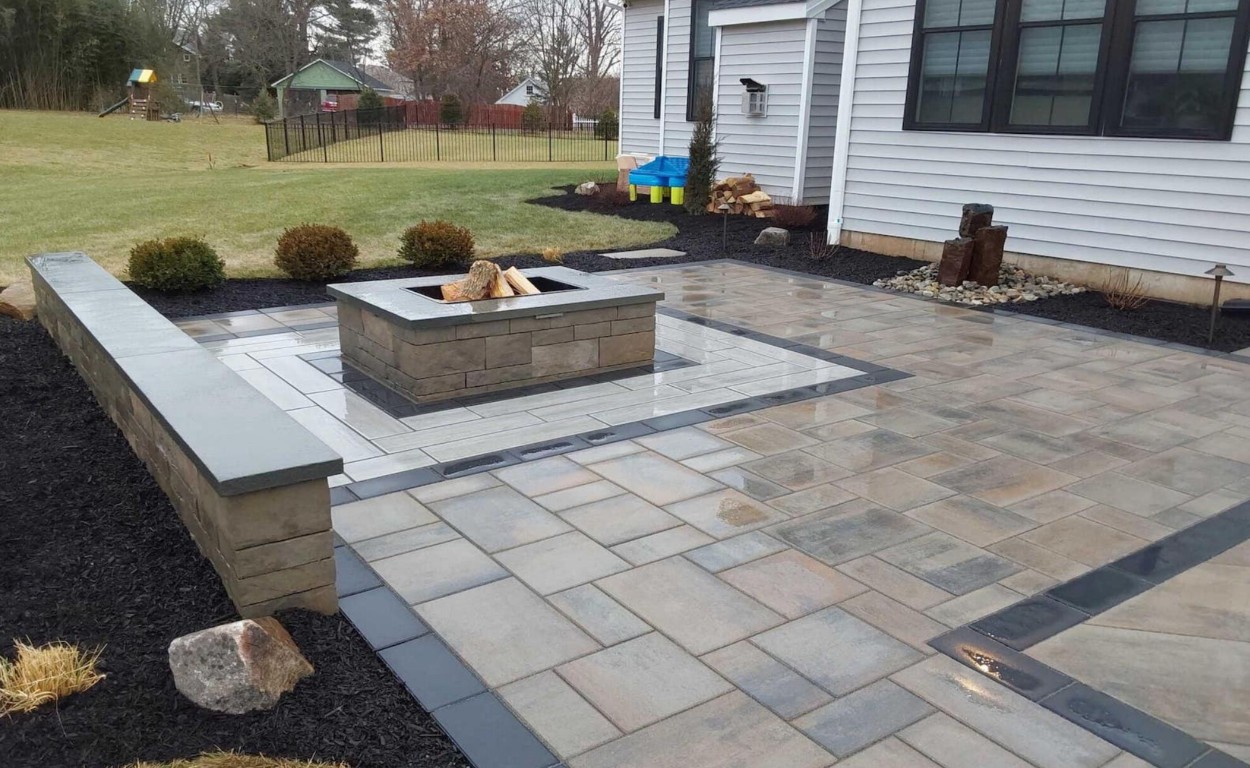
Concrete masonry units provide versatile, cost-effective retaining walls. We build on concrete footings and use hollow blocks filled with concrete and rebar for strength. Block walls go up faster than poured concrete and cost less for moderate heights. They work great for garden walls, terracing, and residential applications. You can face blocks with stucco, stone veneer, or decorative cap blocks. Properly built block walls last just as long as poured concrete when engineering and drainage are correct.
Segmental Block Systems
Interlocking concrete blocks create attractive walls without mortar. These systems use gravity and mechanical connection between blocks for stability. They work well for shorter walls and curved designs. Installation goes faster than traditional masonry. Many styles and colors are available to match your landscaping. These walls work best for residential applications under 4 feet tall. Taller walls need engineering and often require poured concrete or traditional masonry for safety and code compliance.
Engineering and Drainage Requirements
Retaining walls are engineered structures that hold back tremendous pressure. Soil weighs roughly 100 pounds per cubic foot. A wall holding 4 feet of soil faces thousands of pounds of lateral pressure per linear foot. Add water saturation and those forces multiply. This is why engineering matters so much. Proper design accounts for soil type, height, surcharge loads, and local frost depth.
Foundation and Footing Design
Walls need adequate foundations to resist overturning and sliding. We excavate below frost line, typically 42 inches in our area, to prevent frost heaving. Footings spread the load and provide stability. Footing size and reinforcement depend on wall height and retained soil. Taller walls need bigger footings with more steel. We follow engineering specs exactly because foundation shortcuts cause wall failure.
Drainage Systems
Water behind walls creates hydrostatic pressure that no wall can resist indefinitely. We install drainage systems that relieve this pressure. Perforated drain pipe runs along the footing behind the wall. Gravel backfill allows water to flow to the drain. Weep holes let water escape through the wall. Filter fabric prevents soil from clogging drainage. Surface drainage directs water away from the top of retained areas. Proper drainage is not optional. It makes the difference between walls that last and walls that fail.
When Engineering is Required
Building codes require engineering for walls over certain heights, typically 4 feet in residential zones. Commercial walls usually need engineering regardless of height. Walls supporting structures or carrying surcharge loads from driveways or slopes need engineering analysis. We work with structural engineers who design walls to local codes and site conditions. Engineered walls include stamped plans, specified materials, reinforcement schedules, and drainage details. Inspections verify construction matches plans. This process costs more but ensures safety and code compliance.